


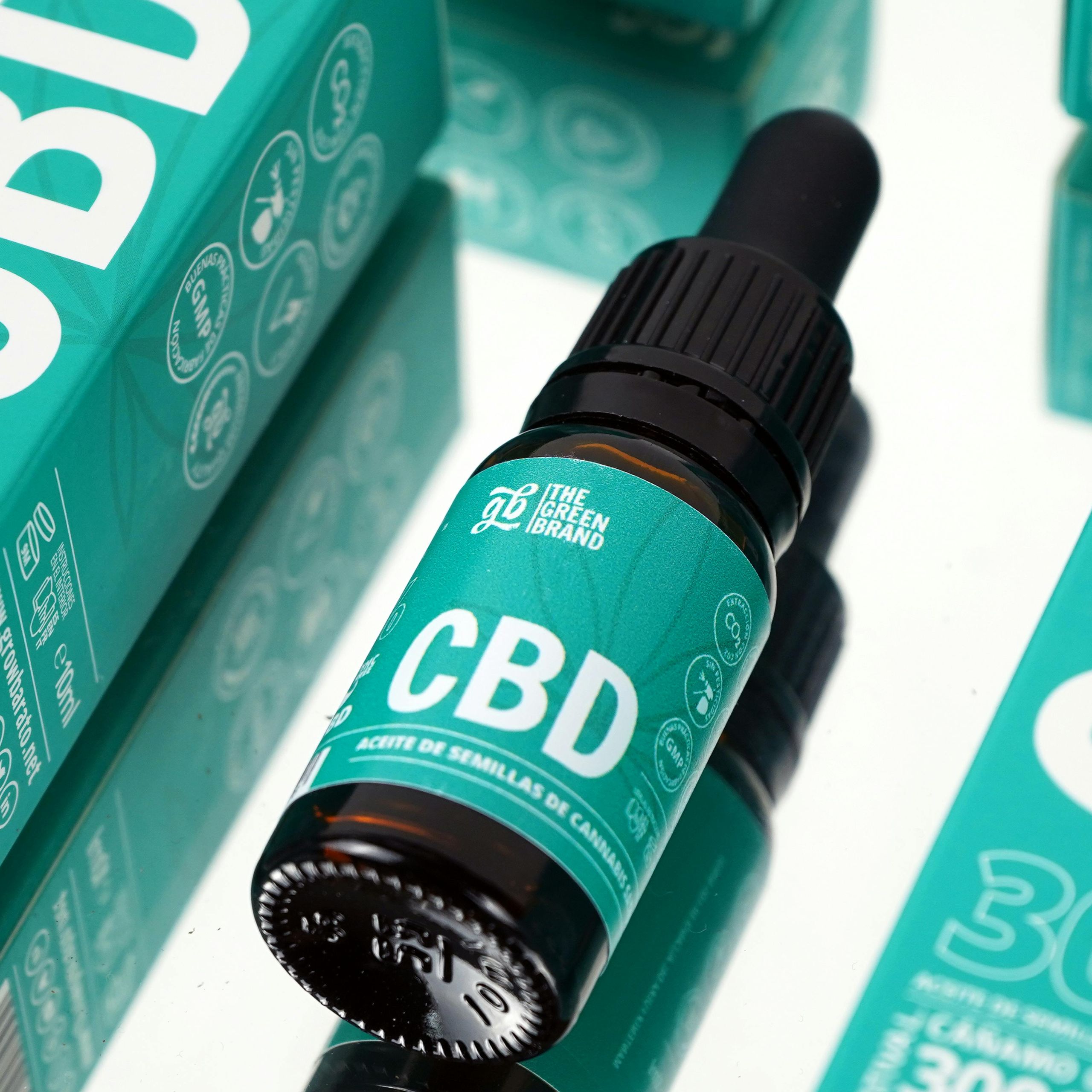
What Are the Benefits of Kira CBD?
CBD is a potent inhibitor of the inflammatory responses in macrophages and other immune cells. This can be explained by its inhibition of the NF-B pathway in these cells.

LPS stimulation of BV-2 microglial cells results in the release of proinflammatory cytokines IL-1b and IL-6, which induces interferon b (IFN-b) through a MyD88-independent pathway involving the Janus kinase-signaling pathways [81]. CBD decreases the transcription of IFN-b by blocking its nuclear translocation.
Receptors
The most important receptors involved in the pharmacological action of phytocannabinoids are CB1 and CB2 cannabinoid receptors, which are G protein-coupled receptors (GPCR). They consist of seven transmembrane alpha helices that extend both intra- and extracellularly and are connected by loops. They can bind to diverse ligands that trigger a variety of biological responses. They also have binding sites for various co-factors, such as ion channels and G proteins.
The first phytocannabinoids that were identified were the endogenous cannabinoids anandamide and 2-arachidonoyl glycerol (2-AG). These are produced in the brain and the rest of the body by the endocannabinoid system (ECS). The ECS regulates physiological functions such as movement, coordination, emotion, appetite and pain modulation. It can also exert anti-tumor and anti-inflammatory effects and control a number of psychiatric disorders such as anxiety, depression and stress. It can also influence mood and cognition. In addition, it can affect metabolism and neurotransmission.
CBD has been shown to interact with the ECS and to exhibit a wide range of pharmacological properties. It has been reported to reduce the onset of seizures and to act as an agonist at 5-HT1A and TRPV receptors. It also has anti-psychotic properties and is a potent inhibitor of the NMDA receptor. CBD has also been shown to interact with the adenosine A1 receptor, and its effects on adenosine A1 receptor activation can be blocked by the adenosine A1 antagonist DPCPX.
Although CBD does not directly activate the CB1 and CB2 receptors, it can increase levels of the body’s endocannabinoids by inhibiting FAAH and MAGL enzyme activity. This means that more anandamide and 2-AG are available to bind to and activate the cannabinoid receptors.
It is thought that this indirect interaction with the ECS is the reason for CBD’s therapeutic potential. In particular, it is believed that CBD reduces psychoactive THC-induced side effects by acting as a natural CB1R antagonist. Furthermore, CBD can reduce THC-induced inhibition of L-type calcium channel activation in the cell. This may explain why Sativex, a 1:1 combination of THC and CBD, is well tolerated by patients.
Ingestion
CBD inhibits lipid peroxidation and attenuates mitochondrial ROS generation in vascular endothelial cells. This can lead to a reduction in the expression of proinflammatory proteins and increased activity of antioxidant enzymes in diabetic mice [116,117]. CBD also attenuates the formation of oxidative bursts by human neutrophils, thereby reducing their chemotactic capacity and degranulation [118]. In addition, it reduces the expression of the adhesion molecule E-selectin/CD62, which facilitates the recruitment of leukocytes, including neutrophils, into damaged tissues. It also reduces chemotactic mediators, such as TNF-a, IL-1b, and IL-8, and inhibits the translocation of NOX2 subunits to the membrane, thus preventing the oxidative burst and a reduction in the release of H2O2 [119]. It has been shown that CBD decreases chemoattractants, such as thrombin and inflammatory cytokines, and increases the expression of anti-inflammatory cytokines such as iNOS and GSH-GPx-1 in an experimental model of renal ischemia/reperfusion injury.
CBD activates TRP channels, which are a family of receptor-like ion channels that respond to diverse chemical and physical stimuli. This can trigger an excitatory response characterized by pain and neurogenic inflammation, followed by a refractory state commonly known as desensitization. It also blocks the activation of TRP V1 by capsaicin, resulting in an unexpected paradoxical analgesic effect [41].
CBD inhibits the production of fibrotic components during organ remodeling after injury and attenuates the proliferation of stromal cell precursors into myofibroblasts. It also downregulates the expression of proinflammatory cytokines and reduces inflammatory signaling in animal models of multiple sclerosis, chronic pain, diabetes, cardiac ischemic disease, and liver steatosis [89,98]. Moreover, it prevents the activation of ryanodine-sensitive intracellular calcium channels in neurons, leading to a decrease in Ca2+ transients that cause cell excitation and contraction.
Topical
After the discovery of the endocannabinoid system, CBD has gained popularity among researchers and users for its ability to improve different mild-to-severe health conditions. It also has many benefits when applied topically, including anti-inflammatory, analgesic and skin healing properties. CBD can be used in various products such as creams, ointments, and pastes. Research must be conducted to determine the appropriate dosages, frequency of application, and best formulation for topical application.
Studies are ongoing to see if CBD can produce the same anti-inflammatory effects of topical steroids, without the side effects. If this is the case, it could be a game-changer for people who suffer from inflammatory skin conditions like eczema and psoriasis.






 ">
 ">
 ">
 ">
 ">
 ">
 ">
 ">
 ">
 ">
 ">
 ">
 ">
 ">
 ">