


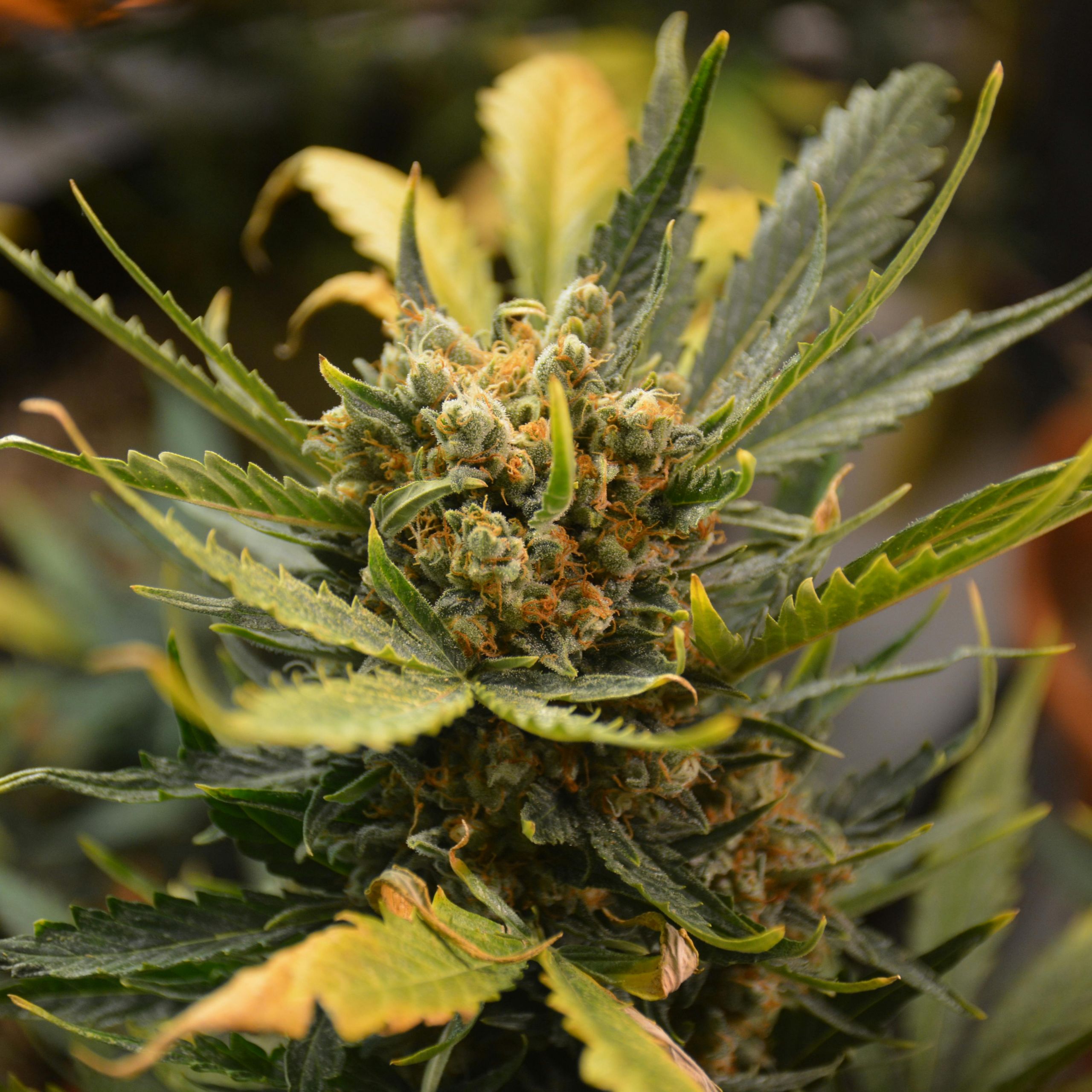
CBD Care For the Garden
Gardeners are always on the lookout for innovative ways to enhance plant growth and health. CBD, a natural component of cannabis, has recently been suggested as an effective tool for improving plant health.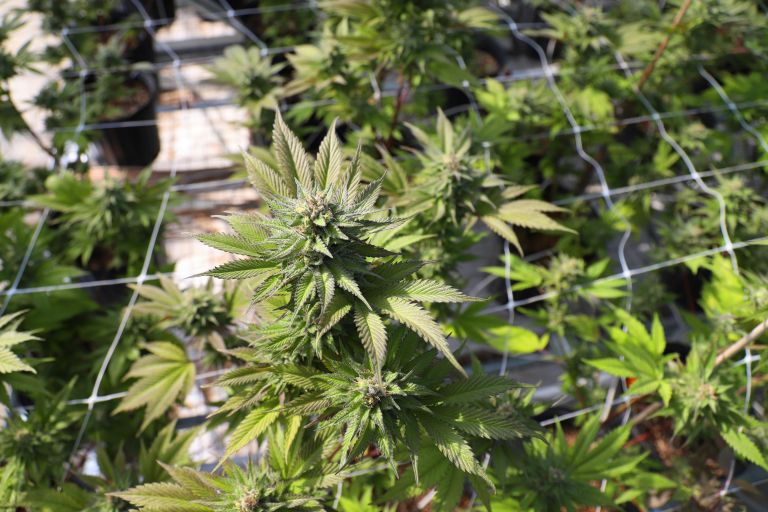
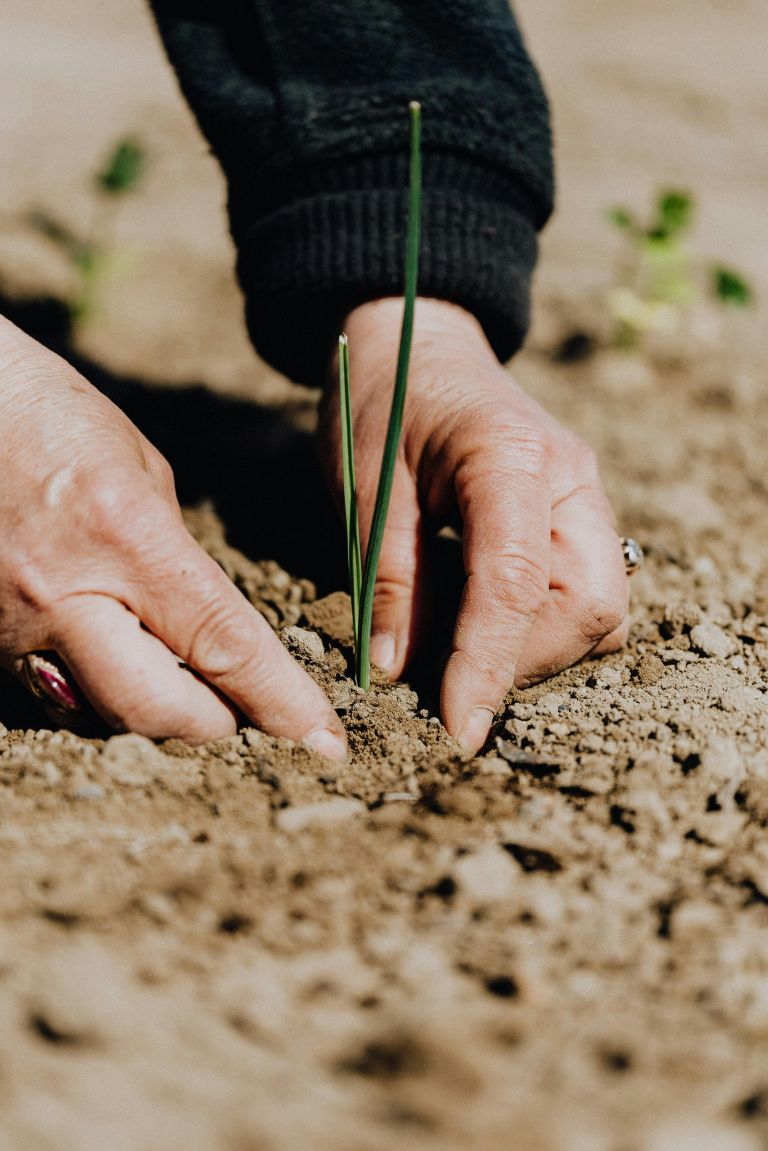
It may help bolster the plants’ endocannabinoid system, enhancing their resistance to diseases and pests. It also helps them manage stress, resulting in healthier and more robust plants.
Analgesic and Anti-Inflammatory Properties
CBD is an all-natural, plant-based ingredient that may help reduce pain. It works by interacting directly with the endocannabinoid system, which is a network of neurotransmitters that all mammals have. This system is responsible for a number of biological processes, including pain management. CBD has analgesic and anti-inflammatory properties, which can be helpful in alleviating the discomfort associated with chronic pain. It also has anti-anxiety effects, which can decrease the stress that often accompanies pain and anxiety.
CBD has been shown to help with a number of different pain conditions, including chronic back pain and arthritis. It can also help with neuropathic pain, which is caused by damage to the nerves. A 2017 study found that CBD was effective for treating neuropathic pain, but more research is needed to understand how it works and what the ideal dosages are.
Another possible benefit of CBD is that it can help with inflammatory diseases such as rheumatoid arthritis. It is believed to have an anti-inflammatory effect on the body because it interferes with the production of cytokines, which are molecules that cause inflammation. A 2020 study found that CBD can also enhance the effectiveness of a certain steroid medication in combating inflammation.
Medicinal cannabis is a powerful, natural remedy that can be used to treat a variety of symptoms, including pain and nausea caused by chemotherapy. It can also be used to ease the symptoms of endometriosis, such as pelvic pain, gastrointestinal distress, and poor sleep quality. In addition to pain relief, medicinal cannabis can help reduce depression and anxiety, which are common side effects of endometriosis. It can also improve appetite, which can be an issue for people who suffer from this condition. People who are interested in using medicinal cannabis should discuss it with their doctors. They should also start with low doses and read labels carefully. Lastly, they should make sure to choose a product from a GMP-certified manufacturer. This ensures that the product is safe and consistent. This is especially important for patients who are already taking other medications.
Anxiolytic Effects
Several preclinical and human experimental studies support the anxiolytic effects of CBD, which are often mediated by interactions with NMDA receptors and 5-HT1ARs in multiple brain regions. In one study, CBD potently reduced experimentally induced anxiety and fear in healthy controls without influencing baseline levels, and it enhanced the behavioral benefits of aversion training (fear extinction). CBD has also been found to acutely enhance cognitive behavioral therapy for PTSD, suggesting that it may have potential as a benzodiazepine alternative.
CBD’s anxiolytic effects are associated with its ability to reduce amygdala activation and alter medial prefrontal cortex connectivity, which may underlie its effects on reducing anxiety, fear, and stress in humans. Additionally, CBD does not exhibit the anxiogenic side-effects of some drugs used to treat anxiety, including sedative effects and euphoria.
In the rat, CBD’s anxiolytic effects in fear conditioning were partially mediated by CB1Rs and 5-HT1ARs in the medial prefrontal cortex and amygdaloid nuclei. Microinjection of the BNST produces anxiolytic effects in the EPM and VCT models, and this effect is associated with a reduction in amygdala activity and enhanced GABAA receptor activation [79].
Chronic CBD administration improved spatial memory acquisition in APPxPS1 mice, but had no effect on reversal learning or locomotor speed, indicating that CBD’s impact on the neuroplasticity of the hippocampus is not linked to its anxiolytic properties. Furthermore, CBD did not affect conditioned freezing in APPxPS1 and WT animals during exposure to a discrete stimulus that had previously been associated with footshock. Interestingly, CBD significantly increased distance travelled in the conditioned place avoidance test in APPxPS1 mice while having no effect on this behavior in WT mice.
In a 2019 study, frontline health care workers who were working during the COVID-19 pandemic reported lowered anxiety following oral administration of CBD for 1 month. Further, this anxiolytic effect lasted up to one month after treatment was discontinued, suggesting that CBD is an effective anxiolytic in clinical populations. However, further double-blind placebo-controlled trials are needed to confirm these findings.
Anti-Stress Effects
CBD interacts with multiple receptors and brain pathways that affect mood, and can help improve depression and anxiety. It also boosts levels of serotonin, which is important for mental health. Serotonin is known to be a natural stress reliever, which can improve the ability to cope with chronic stressors. Additionally, CBD can reduce the anxiety and depression associated with certain medical conditions. It can also help with sleep, which is often disrupted by anxiety and depression.
It can also decrease cravings for addictive substances, and increase the efficacy of addiction treatment programs. One study found that when people with heroin addiction underwent cue-induced craving tests, CBD significantly reduced the anxiety and cravings they experienced. This may have helped them avoid relapse.
CBD also helps to relieve physical symptoms of stress and anxiety, such as aches and pains, and improve sleep quality. It can also reduce the symptoms of PTSD, including nightmares and flashbacks. In addition, it can help people with phobias by helping them to overcome their fear. It has been shown to reduce the severity and duration of panic attacks, as well as reducing anxiety and depression in patients with bipolar disorder.
While more research is needed, CBD has potential to be a powerful tool for managing stress and improving overall mental health. However, it is important to consult your doctor before adding CBD to your treatment regimen. It can interfere with some medications, such as blood thinners and anti-epileptic drugs. It can also cause changes in liver enzymes, so it is advisable to let your doctor know if you are taking any other medicines before consuming CBD. They may need to adjust your dosage or recommend a different medication.
Stress Reduction
The natural stress relief properties of CBD help reduce the symptoms of anxiety and depression. It does this by interacting with the body’s endocannabinoid system to balance mood and regulate anxiety responses. This makes it an excellent supplement for individuals who are prone to occasional bouts of low mood. CBD can also help elevate mood by boosting serotonin levels in the brain. This makes it a great addition to a healthy diet that is rich in whole foods, vegetables and lean proteins.
When used in conjunction with regular exercise, CBD can further enhance the effects of a well-balanced fitness regimen. Its ability to boost muscle recovery and alleviate pain and discomfort from intense workouts can help users feel revitalized after their workouts and remain motivated to stick with their fitness routine. It can also promote better sleep quality, which is essential for promoting overall wellness and mental clarity.
Serenity Garden’s CBD gummies are an easy-to-use and convenient way to manage everyday stressors. They can be chewed on the go or added to a smoothie to help individuals feel more calm and at ease. These gummies can be taken as part of an ongoing self care routine that includes other techniques to manage stress such as meditation, yoga, or journaling.
CBD can also be used as a massage oil or cream to enhance the experience of a therapeutic massage. According to a client testimonial, CBD was able to reduce the stress and tension in their shoulders faster than traditional massage oils. This allowed the therapist to spend more time working on deeper muscles and releasing more tension.
While research on the benefits of CBD for plants is still in its early stages, researchers and gardening enthusiasts are exploring whether it can enhance plant health. The fact that plants have endocannabinoid-like systems similar to those of humans and animals means that they may be able to interact with cannabinoids such as CBD, potentially enhancing their growth.






 ">
"> ">
"> ">
"> ">
"> ">
"> ">
"> ">
"> ">
"> ">
"> ">
"> ">
"> ">
"> ">
"> ">
"> ">
">