


How to Heal Your Head and Heal Yourself With CBD
CBD’s actions on formal ECS and related targets counteract the pro-inflammatory cascade and may enhance neurogenesis after TBI (60). It also promotes the restoration of excitatory/inhibitory balance via direct and indirect effects on GABAergic and glutamatergic signaling.

Several studies on healthy subjects showed that CBD enhanced fronto-striatal connectivity during resting state and modulated brain activity showing task-specific patterns during various cognitive paradigms. However, long-term CBD use is not recommended.
How does CBD work?
CBD works by influencing the body’s endocannabinoid system, which is a complex cell-signalling network of endocannabinoids and cannabinoid receptors that is found throughout the brain and central nervous system. Unlike THC, which gives cannabis its psychoactive properties, CBD does not have any intoxicating effects and does not cause addiction. It has been shown to have many therapeutic benefits, including relieving pain, reducing anxiety and depression, and helping with sleep. It is also a powerful antioxidant and anti-inflammatory, which can help with conditions such as arthritis and diabetes.
Studies on animals and people have shown that CBD can relieve neuropathic pain, which is caused by nerve damage or inflammation. It can also ease the chronic pain of fibromyalgia, which affects muscles and joints. However, it’s important to note that more research is needed on the effectiveness of CBD for these purposes.
Several clinical trials have found that CBD may be effective in reducing symptoms of anxiety and depression. It has also been shown to reduce the occurrence of seizures in some patients with epilepsy. CBD is currently being tested for its ability to help with other conditions, such as schizophrenia, dementia, Alzheimer’s disease, and bipolar disorder. Some research suggests that it could reduce the cravings for opioids in people with substance use disorders, although more studies are needed to confirm these findings.
It is also possible that CBD can improve a person’s quality of life by reducing the symptoms of certain types of cancer, such as nausea and vomiting, as well as by preventing the growth of tumors. It can also reduce the side effects of chemotherapy, such as fatigue and weakness.
It is important to talk to your doctor before trying any new supplement, especially one that claims to treat a serious illness. They can tell you if CBD is safe and effective for you, and how to take it. It is also important to tell your doctor if you are already taking any medications, particularly for depression and anxiety. CBD can interact with some medications, so you need to know how it will impact your treatment plan.
How do I take CBD?
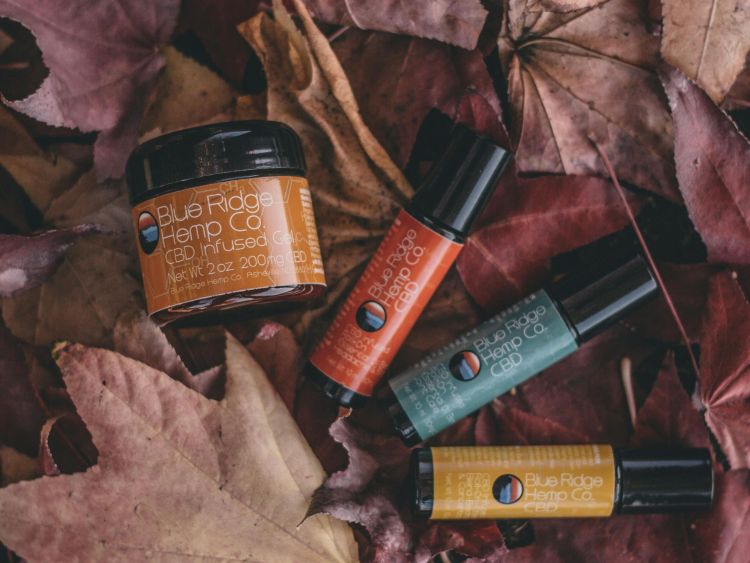
CBD is all over the shop, and you’ll find it in gummies, oils, lozenges and even high-end sports bras (it’s great for aches and pains). You can take it sublingually (under the tongue) with a tincture or softgel. This method bypasses the digestive system, so it gets to work quicker. Typically, you take it twice a day to maintain a consistent amount of CBD in your body.
Alternatively, you can take it as a capsule or tablet. This method can be easier to control your dose, especially if you’re taking multiple products. It’s a good idea to start with the lowest strength available, like 5%, and gradually increase your daily intake as you become familiar with how the oil affects you.
If you’re looking to get a stronger effect on your mental health, look for products with a higher concentration of CBD. Having a high dosage of CBD can have an invigorating effect on your brain, helping you feel more focused and able to cope with everyday stresses and worries.
There’s also a range of topical products, including balm and rubs, that you apply directly to your skin. This is a great option if you want to focus on a specific problem area, like a sore knee or back. Some topical products have added ingredients, like menthol or histamine dihydrochloride, to help with pain relief.
You can also apply CBD to your skin using a vape pen, or add it to your favourite food and drink. Many people choose to mix their CBD with other natural supplements, such as fish oil or turmeric. It can also be used in conjunction with certain prescription medicines, although you’ll want to check your product label before combining it with anything else.
It’s also worth mentioning that CBD doesn’t interfere with any of the main receptors in the human brain, unlike THC, so it’s completely safe to use when paired with other herbal remedies and dietary supplements. In fact, some research suggests that CBD can enhance the effects of these kinds of natural products. However, there isn’t a lot of evidence about how different supplements interact with each other, so it’s best to keep it simple and stick with one at a time until you know how they work together.
What are the side effects of CBD?
CBD is generally considered safe to take, and the most common side effects are changes in alertness, most commonly experienced as somnolence (sleepiness), gastrointestinal distress, which is often seen as diarrhea and decreased appetite, and changes in mood, most commonly reported as irritability or agitation. The good news is that these side effects tend to disappear when dosage is reduced or stopped altogether.
CBD has also been shown to have antidepressant properties and may help people with anxiety. It’s also been found to reduce the spasticity and pain associated with multiple sclerosis, as well as reduce the frequency of seizures in epilepsy patients. However, more research is needed to explore these claims in humans.
Studies are looking into the possibility that CBD could help with a number of other conditions, including substance misuse disorders, sleep problems, and certain cancers. It has been shown to have chemopreventive effects in colorectal cancer cells, and it can induce apoptosis in ovarian cancer cells. It has also been shown to improve the quality of sleep in people with insomnia.
It’s important to note that the FDA has only approved one specific CBD medication, Epidiolex, for treating rare seizure disorders in children. Other marketed CBD products are not FDA approved, and many of them have not been tested for safety. It’s also important to know that CBD can interact with some medications, so it’s best to avoid it if you’re taking other drugs.
It’s important to only use high-quality CBD products, and to only purchase them from reputable manufacturers. Look for a company that prioritizes transparency and quality by listing third-party lab testing results on their website. And remember to always consult a doctor before starting any new supplement, including CBD.





 ">
"> ">
"> ">
"> ">
"> ">
"> ">
"> ">
"> ">
"> ">
"> ">
"> ">
"> ">
"> ">
"> ">
"> ">
">