


High Rise Seltzer Introduces THC-Free Blackout Edition
A few weeks ago, Charleston-based seltzer company High Rise paused its distribution options in South Carolina due to new labeling requirements from the state health department. High Rise will continue to offer its hemp and THC-infused seltzer but will also launch a THC-free line called the “Blackout Edition.”

The beverage maker is taking advantage of the growing movement toward nonalcoholic options especially among Gen Z.
What is CBD?
CBD is the non-psychoactive component of marijuana that is currently one of the fastest growing consumer products associated with cannabis. Charleston Hemp Collective founders Matt and Libiss Skinner discovered CBD years ago when it helped to relieve symptoms of Libiss’ ulcerative colitis, leading the couple to create a line of topical CBD applications, tinctures, gummies, a hemp storefront, and a James Island bar that serves CBD-infused cocktails. Their newest venture, High Rise, is a canned seltzer made with real fruit and organic cane sugar, infused with full-spectrum hemp and natural adaptogens to promote the calming or motivating effects depending on the drinker’s mood. The beverage is vegan, gluten-free, low-sugar, and contains no THC. High Rise is available in three refreshing flavors: mango, strawberry, and blueberry.
How does it work?
The endocannabinoid system (ECS) is the human body’s natural system of chemical messengers that control many physiological processes like sleep, mood, pain, and inflammation. CBD can interact with ECS receptors to help alleviate symptoms of various health conditions including anxiety, stress, depression, chronic pain, and more. The way that CBD works is by mimicking the ECS, essentially acting as a natural balancing agent to help regulate these processes.
A CBD product that is ingested enters the body through metabolism and then binds to the ECS receptors to exert its effects. CBD can also be absorbed through the skin by using topical products, such as creams, lotions, and tinctures. When applied topically, the ECS receptors located in the skin can absorb the cannabinoids to reduce pain, inflammation, and tension.
When consumed as a beverage, the cannabinoids are absorbed through the stomach or gut. Then, they travel to the lungs and pass through the bloodstream to enter the brain, where the cannabinoids help to ease the mind and relieve stress. CBD beverages are one of the fastest-growing categories of cannabis products.
Whether you are looking for a nonalcoholic alternative to your favorite cocktail or just want to calm your nerves after a long day, High Rise is the perfect choice! Crafted with real fruit, organic cane sugar, and infused with delta-9 THC from hemp, this canned beverage may help to enhance pleasure and motivation, promote better sleep, and reduce stress.
Cofounders Matt and Libiss Skinner were inspired to create the brand after Libiss used CBD as a natural remedy for her ulcerative colitis. She was impressed with how the product helped her symptoms and realized that she wanted to share this wellness solution with others. The couple opened the Charleston Hemp Collective to provide gummies, tinctures, and topical products. In 2021, they introduced High Rise Beverage Company and their line of CBD- and THC-infused seltzers. The James Island bar is South Carolina’s first bar to exclusively serve these drinks in mocktail form.
What is the difference between THC and CBD?
While THC and CBD are both cannabinoids, they produce very different effects. THC is psychoactive and produces the “high” associated with marijuana use. THC binds to cannabinoid receptors in the brain, causing changes in perception and mood. It can also cause anxiety, nausea, diarrhea, and changes in appetite. THC can be addictive and is often used as a drug in illegal cannabis products, including the infamous synthetic marijuana known as K2.
CBD does not produce a psychoactive high and interacts with different receptors. CBD binds to cannabinoid and non-cannabinoid receptors in the central nervous system, but does not bind as strongly as THC. It can alleviate pain, reduce inflammation and anxiety, and modulate the actions of THC.
THC and CBD are both found in the cannabis (hemp) plant. They can be extracted from the plant in many forms, including oils, tinctures, edibles, and vape liquids. Different extraction methods impact the onset, duration, and intensity of the effects.
Both THC and CBD are safe for most people to use, but it’s important to know your dosage and your own body’s sensitivity. If you’re new to cannabis, it’s recommended that you start with a low dose and increase your intake gradually.
Medical marijuana is widely used to treat a variety of conditions, including epilepsy, multiple sclerosis, neuropathic pain, and nausea from chemotherapy. It has been shown to reduce seizures in people with epilepsy, and it can also help alleviate symptoms of chronic neuropathic pain, such as from neuropathy.
In addition to helping with neuropathic pain, CBD has anti-inflammatory properties and can improve the overall quality of life for people living with MS, Parkinson’s disease, and other neurological disorders. It can also help alleviate stress, depression, and anxiety. It can also be a great aid in sleep regulation and has been shown to have a positive effect on cognitive function. It has also been shown to have analgesic properties, meaning it can reduce the severity and frequency of seizures in people with epilepsy. It can also alleviate the discomfort of muscle spasticity and inflammation associated with fibromyalgia.
How can I get CBD?
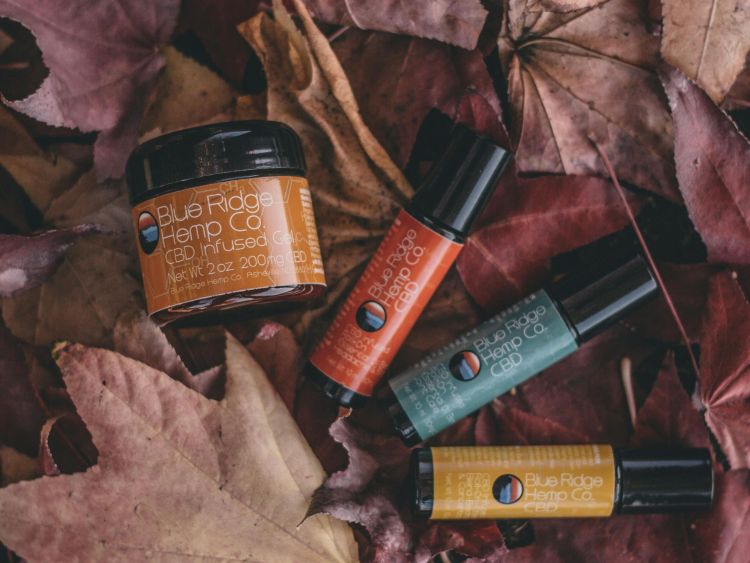
CBD is a product that can be found in many forms, including capsules, oils and topical creams. It can be purchased online or at many health food stores. Before you buy any product, be sure to read the label. It should clearly state how much CBD the product contains and if it has THC. It should also list any possible contaminants (e.g. heavy metals) and should have a Certificate of Analysis (COA) from an independent laboratory. Look for a COA that is based on validated, standardized testing methods such as those used by the American Herbal Pharmacopoeia, USP, NSF International or the Association of Official Agricultural Chemists.
Products that contain high levels of THC may cause a ‘high’ effect, so be careful not to exceed the recommended dosage. In addition, some people do not react well to CBD or may experience negative side effects. If you experience side effects such as stomach upset, nausea or excessive drowsiness, reduce the dose and see if the symptoms subside. In some cases, it may be necessary to discontinue use altogether.
A product with low amounts of THC is a good option for those who want to minimize the chance of experiencing a high effect or those with concerns about legality. These products will have a very small amount of THC, typically less than 0.3% as mandated by federal law. A product with full-spectrum CBD is another good option because it contains other cannabis compounds that have been shown to enhance the ‘entourage effect’.
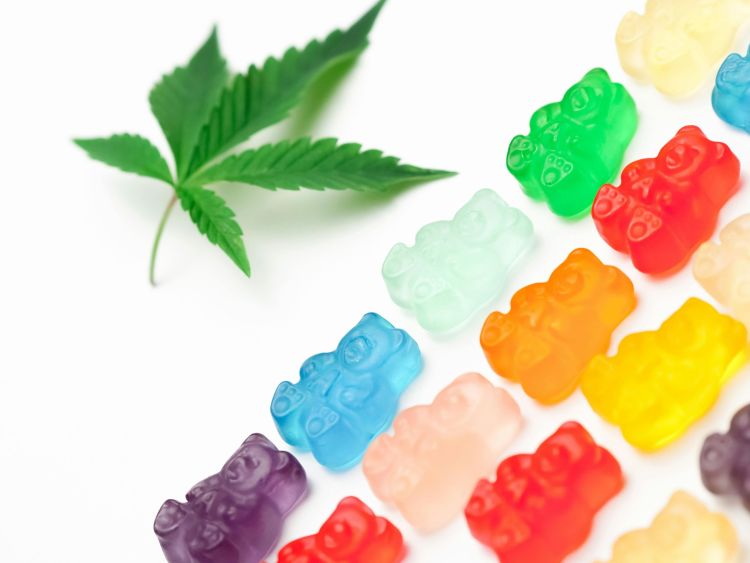
Finally, some people choose to take CBD in the form of edibles, such as gummies or cookies. Experts discourage this, however, because the dosing is unreliable and because many edibles are high in sugar, which can lead to weight gain. Edibles are also not childproof and must be kept out of the reach of children. Sprays and tinctures are easier to control because they can be administered sublingually (held under the tongue for 60 to 120 seconds).
Be aware that CBD can interact with certain medicines, such as blood thinners and anti-epileptics, by competing with them for liver enzymes. It is important to let your doctor know if you are taking CBD so that he or she can monitor your liver-related blood tests.



 ">
"> ">
"> ">
"> ">
"> ">
"> ">
"> ">
"> ">
"> ">
"> ">
"> ">
"> ">
"> ">
"> ">
"> ">
">